
Atmosphere by Design: Handmade Candle Bundles for Every Room

Today we’re exploring designing home atmospheres with room-specific handmade candle bundles, blending scent families, vessel textures, and burn behavior to shape kitchens, living rooms, bedrooms, bathrooms, and tiny retreats. Expect tested pairings, craft notes, and stories that help you create intentional, repeatable rituals across your home, while discovering thoughtful safety practices and style touches that elevate every corner with welcoming, memorable character.

Scent Zoning That Guides Feelings and Flow

A home hums when scent supports how each space is used. By mapping energizing notes to busy zones and calming blends to restorative rooms, you create intuitive pathways that steady routines and spark delight. We will sketch realistic pairings, explain why noses tire, and show how modest rotation avoids fatigue while preserving signature vibes that guests remember and family members look forward to revisiting every single day.

Building Bundles with Intent: Wax, Wick, and Ratio

Great mood-making begins with materials that perform. Soy offers slow elegance, coconut-apricot gives silky throw, and beeswax adds golden radiance with cleaner burning when properly wicked. Cotton wicks feel classic, while crackling wood creates texture. Balance fragrance load with vessel size and room purpose. We will explain testing cycles, cure windows, and blend ratios so your bundles burn evenly, smell purposeful, and behave beautifully from first light to last inch.

Choosing the Core Wax Blend for Purposeful Burn

Select a wax blend that suits the room’s goals: soy for calm evenings, coconut-apricot for showpiece throws in living rooms, beeswax for warm, meditative glow near reading chairs. Test melt pool formation at two-hour intervals, confirm even adhesion, and observe surface behavior after cool-down. Record conditions, then refine pour temperature. Share your best-performing blends and climate notes to help our community fine-tune consistent, reliable bundles across changing seasons and humidity.

Wick Geometry and Flame Personality

Wick size dictates flame height, soot, and mushrooming risk. A slightly under-wicked jar in a tiny bathroom prevents overpowering intensity, while a properly sized wooden wick can anchor living room ambience with gentle crackle. Trim before every burn to a quarter inch. Track tunneling, flicker patterns, and edge cling. Comment with your surprising wick victories, including tricky vessels or hard-to-tame fragrances finally singing thanks to small, precise adjustments.

Fragrance Load, Cure Time, and Throw Strategy

Heavier loads do not always equal better rooms. Kitchens often favor bright clarity over density, while bedrooms benefit from body without sharp peaks. We recommend patient curing, then staged testing in the target room with doors open and closed. Note humidity, airflow, and furnishings that absorb scent. Iterate politely. Share your cure-day rituals, labeling systems, and blind-smell tests with friends, building confidence that each bundle performs as intentionally as it was designed.

Color, Vessel, and Styling as Silent Storytellers
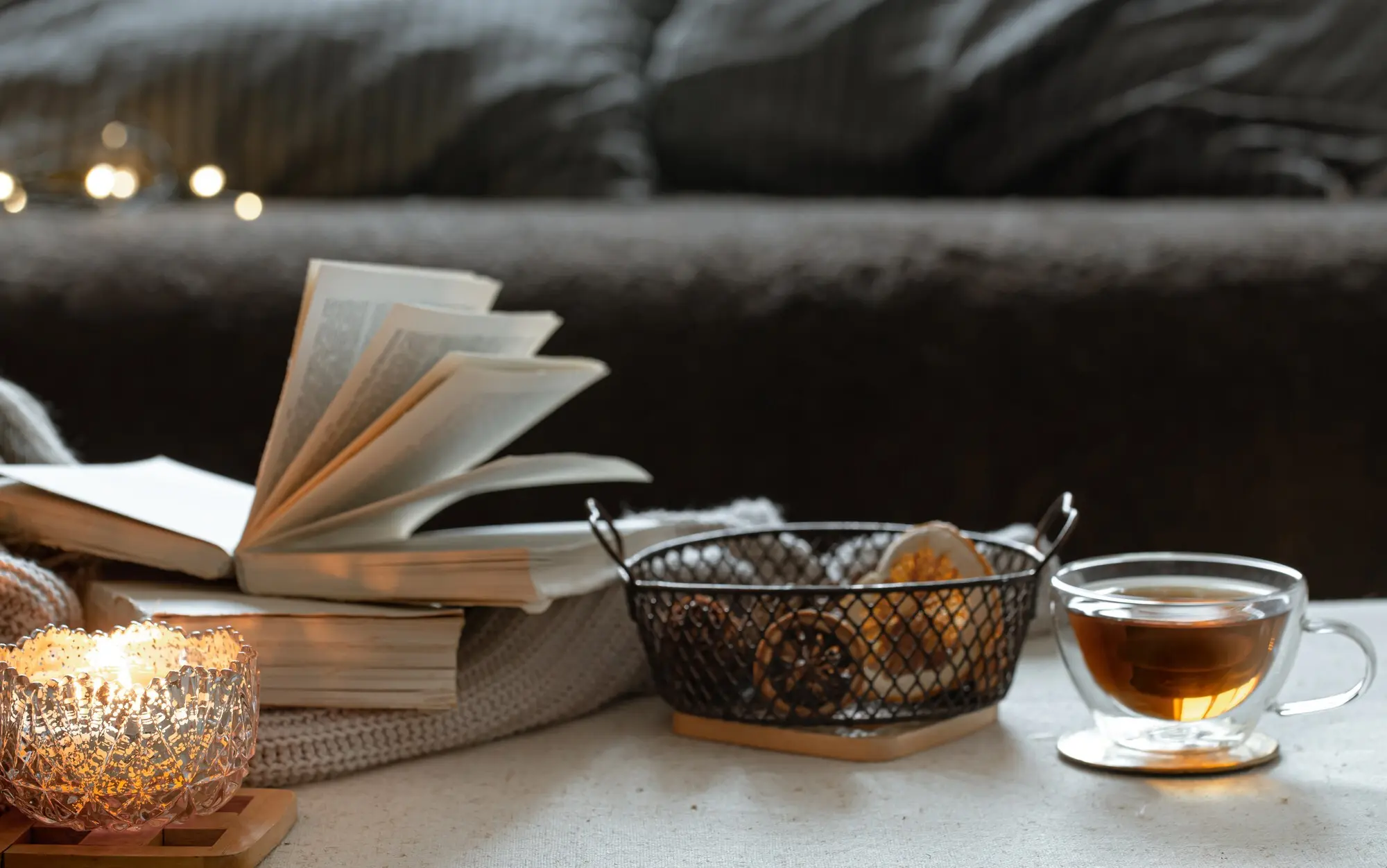
Scent may lead, yet color and texture quietly finish the narrative. Matte ceramics whisper calm; amber glass warms evenings; clear tumblers feel airy and modern. Trays protect surfaces while grouping candles into purposeful little scenes. Match vessel silhouettes to furniture lines, and choose labels that don’t shout. We will consider color psychology, reflective surfaces, and flame visibility so your home’s visual rhythm supports each bundle’s gentle, guiding presence.

Rituals That Anchor Routines Morning to Night

Before notifications, strike the lighter, open a window two inches, and let citrus and herb notes sketch clear edges around your first tasks. Stand while the kettle warms, naming three intentions aloud. Extinguish deliberately, then eat slowly. Post your adaptable two-candle morning routine, including playlists or affirmations that reinforce forward motion without rushing, reminding others that small, consistent sensory cues can protect attention and optimism throughout demanding, beautifully ordinary weekdays.
Midday fog meets a balanced, lightly woody blend that clears space for creative problem-solving. Sit for five intentional breaths, then tidy one surface while the first melt pool forms. Switch to a tea-forward companion candle when calls begin. Share your reset timing, light snack pairings, and a photo showing how the flame reframes your posture. Encourage newcomers to try a simple ten-minute cycle before meetings, reporting shifts in clarity and mood.
Choose a soft, low-throw candle an hour before lights out. Journal three sentences, stretch slowly, and let the final burn mark the day’s close. Snuff, not blow, to avoid dispersing soot. Keep water nearby and screens away. Comment with your calming trifecta—scent, movement, and thought—so readers can borrow structures. Over time, this gentle cadence teaches the nervous system to trust evenings and greet sleep without bargaining or restless scrolling.

Safety, Testing, and Responsible Enjoyment

Atmosphere should never compromise wellbeing. Respect burn windows, supervise flames, and protect surfaces with substantial, stable bases. Trim wicks, watch drafts, and practice sensible placement beyond reach of pets and curious hands. Conduct standardized tests before gifting or selling, tracking ambient temperature, burn rate, and vessel heat. We will include an easy checklist you can screenshot, empowering you to enjoy glow and fragrance confidently while modeling careful habits for family and friends.

Drafts, Surfaces, and the Three-Foot Rule

Keep flames away from curtains, books, and artwork, allowing at least three feet of clearance. Avoid wobbly shelves or edges where sleeves snag. Test your usual spots with unlit vessels first, confirming stability and reach. Place coasters under jars to defend finishes from heat. Share a quick map of your home’s safest zones so others can learn from real layouts, not just theory, reducing unnecessary risk while preserving delightful, everyday ambiance.

Trim, Timing, and Tunneling Prevention

A quarter-inch trim minimizes soot and overheat. First burns should reach near the vessel edge to prevent tunnels that steal fragrance and waste wax. Set a timer to respect maximum burn durations, especially in small rooms. If tunneling begins, a foil jacket rescue can help. Post before-and-after photos from your experiments, plus honest notes on cure times and relight behavior, so newcomers avoid frustration and learn compassionate, effective maintenance habits.

Allergies, Pets, and Air Quality Considerations

Choose gentle, well-tested fragrance components around sensitive noses. Ventilate after long sessions, and favor cleaner-burning blends with appropriate wicks. Place candles where tails, whiskers, and little hands cannot investigate. Keep a small HEPA unit running during gatherings. Invite readers to list pet-safe placements, gentle fragrance families, and open-window schedules that work in real apartments and houses, proving atmosphere can be beautiful, considerate, and adaptable without sacrificing comfort or safety.

Community, Gifting, and Seasonal Rotations

Sharing multiplies joy. Thoughtful bundles become storytelling gifts—kitchen brightness for new parents, bedroom calm for students, bathroom clarity for busy hosts. Rotations bridge seasons without clutter, refreshing mood while honoring memories tied to scent. We will trade printable guides, host polls, and feature your home snapshots. Comment with victories and stumbles, subscribe for bundle recipes, and help shape future experiments so this living, friendly practice keeps evolving alongside your days.