When Wax Speaks in Color
How Pigments Shape Perception
Warm Spectrum: Reds, Oranges, Ambers
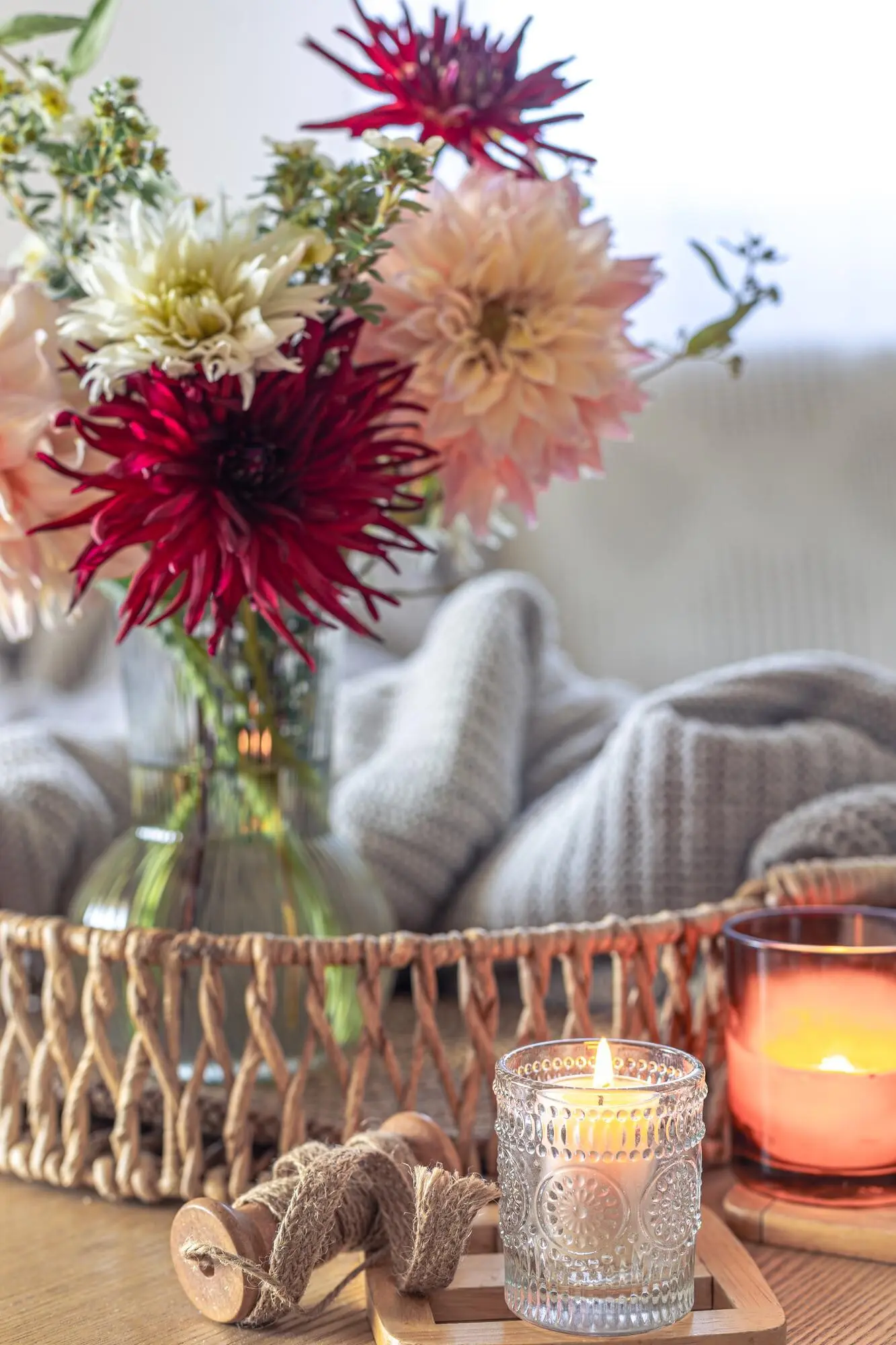
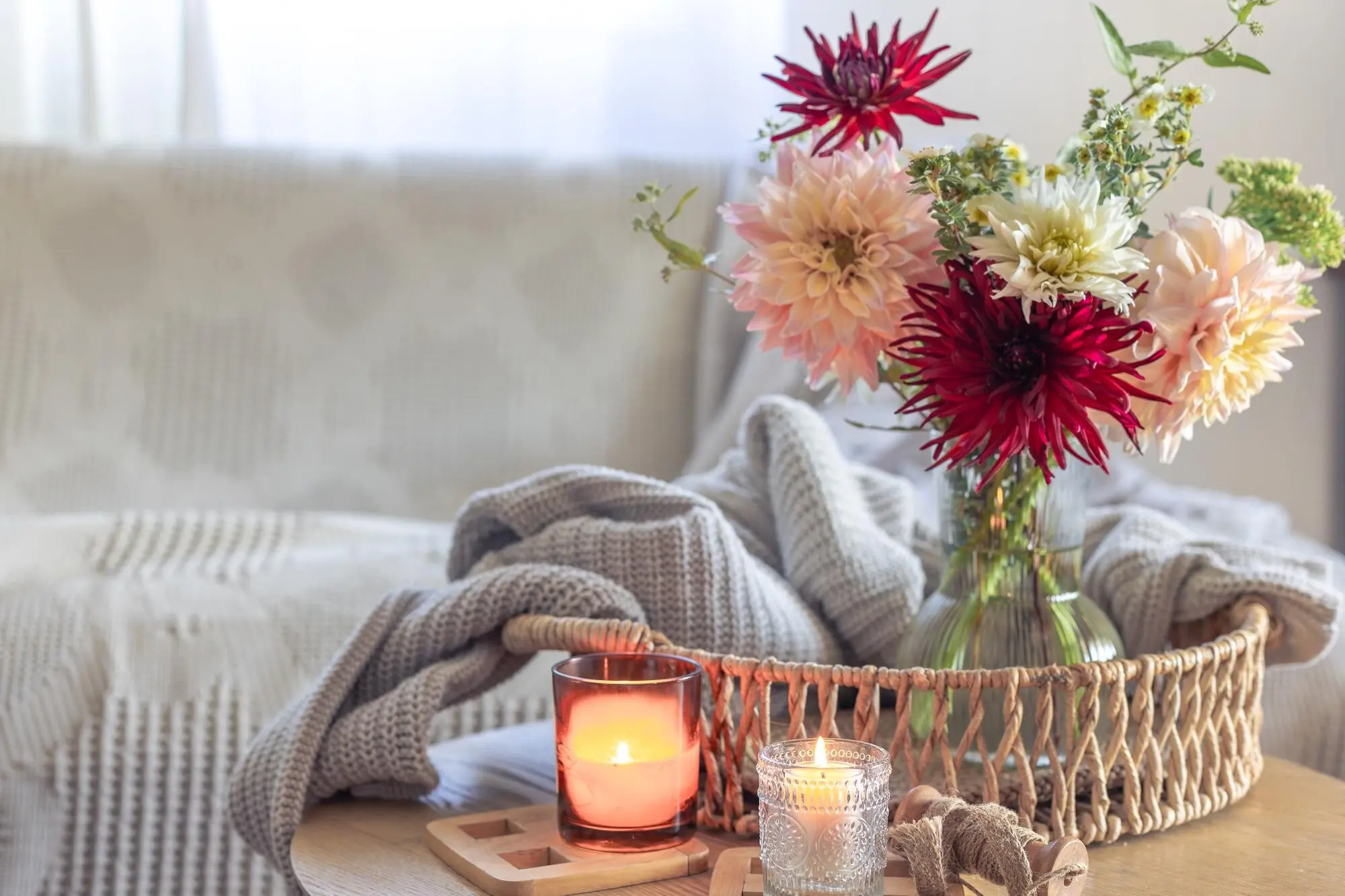
Candles dressed in ruby, tangerine, or honeyed amber amplify conviviality, storytelling, and appetite. Studies often link reds and oranges with perceived warmth and lively conversation, which is why spiced gourmands and citrus blends blossom beside embered hues. Pair cinnamon, clove, or blood orange with deep terracotta glass, and watch a room lean closer. For intimate dinners, a cluster of low, warm tones softens edges, diffuses worries, and frames faces with theatrical kindness.
Cool Calm: Blues, Teals, Lavenders
Oceanic blues, rain-washed teals, and hushed lavenders cool a busy day, encouraging steadier breathing and unhurried thoughts. They visually widen small spaces, echoing horizon lines your eyes can rest upon. Bedside, a dusky lavender vessel with gentle herbals invites earlier nights and kinder mornings. In work nooks, muted teal paired with eucalyptus can reset focus without harsh brightness. These tones rarely shout; instead, they draft a reliable hush you can return to.
Neutrals and Minimalism: Whites, Creams, Greys
Ivory soy, pearl beeswax, and matte grey containers offer visual silence, letting scent and flame carry the conversation. Neutrals integrate across styles, from airy Scandinavian corners to richly layered libraries, preventing visual fatigue. White candles can appear brighter and cleaner under warm bulbs, while cool daylight may render them crisper and more architectural. Choose creams for softness, charcoals for sculptural contrast, and layered off-whites when you want a sanctuary that steadies attention without demanding it.
Materials, Dyes, and the Science of Glow
Cultural and Psychological Color Associations
Mood Boards and Palette Harmonies
Naming That Evokes Without Overpromising
The Day Blue Vanilla Outsold Pink Peony

What a Window Did to Olive Green
Care, Placement, and Atmosphere
Rooms, Walls, and Color Echoes
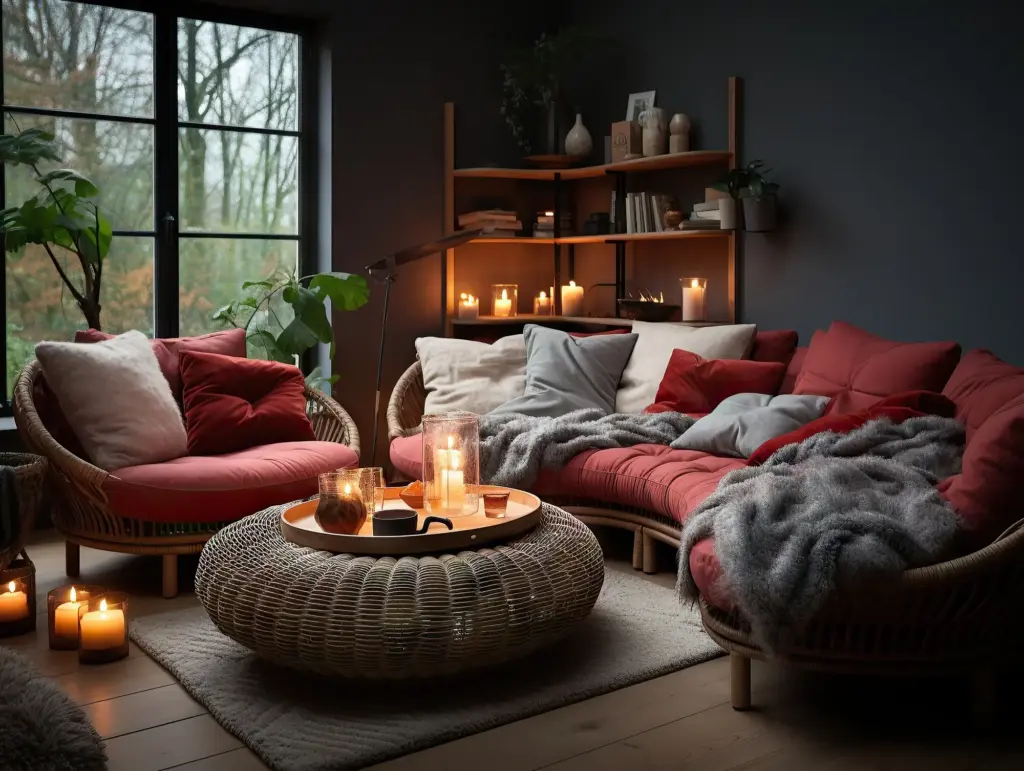
Walls reflect feelings back to you. A dusty rose wall will sweeten beige wax, while navy panels strengthen cream vessels into sculptural calm. Test placements by photographing corners morning and night; micro-changes forecast mood. Cluster by temperature or value so viewing angles never jar. Mirrors double glow but can also double clutter—keep their frames restrained. When echoes between surfaces feel intentional, the candle’s color reads as invitation rather than spectacle, a hand extended rather than fireworks.
Light Temperature Changes Everything
Bulbs carry temperatures, measured in Kelvin, that shift how we read color. Warm 2700K lamps enrich ambers and blushes, while cooler 4000K tones clarify blues and greys. Candlelight itself sits warmly, so contrasting bulbs can confuse the scene. Aim for harmony across sources, especially during gatherings. Dimmer switches help colors exhale at night. A simple test: photograph the same candle under three bulbs; choose the image that matches how you wish guests to breathe upon arrival.
Rituals for Unwinding with Color
Ritual makes color meaningful. Five minutes before closing your laptop, light a cool teal beside rosemary and write a single intention. After dinner, shift to amber and cardamom; let conversation slow into grateful inventory. On storm nights, ivory pillars frame windows like guardian hush. Keep matches, trimmer, and journal in one tray so the practice remains frictionless. Share your ritual online; someone else might borrow it tonight and feel their shoulders drop, finally, where they stand.
Join the Conversation and Create with Us